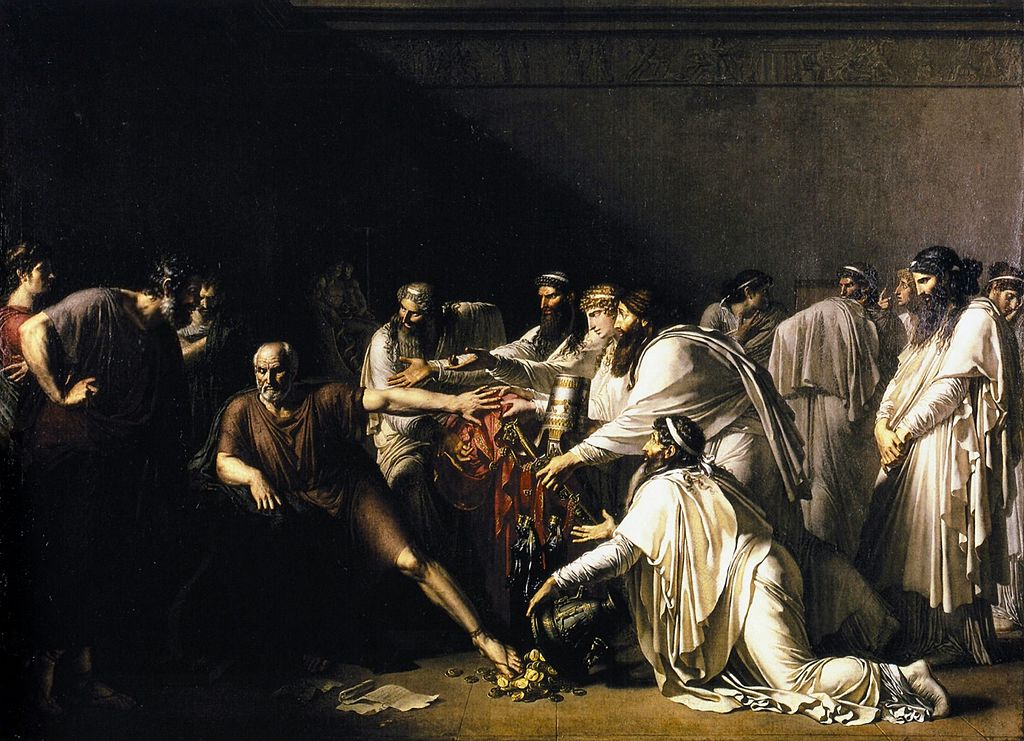
“The best of all medicines are rest and fasting.” Benjamin Franklin (1706-1790)
Fasting has been used for various purposes throughout history, including weight loss, improved concentration, extending life, and preventing diseases. Many historical figures, from Pythagoras to Mahatma Gandhi, were proponents of fasting for its health benefits. In this post, we will explore 10 historical figures ordered chronologically who advocated fasting for health and wellness.
- Pythagoras (570-495 BCE)
Pythagoras believed that fasting could help promote compassion and ethical living. He once said, “As long as man continues to be the ruthless destroyer of lower living beings, he will never know health or peace. For as long as men massacre animals, they will kill each other.”
- Hippocrates (460-370 BCE)
Hippocrates, the father of Western medicine, believed that fasting could help the body heal itself. He once said, “Everyone has a physician inside him or her; we just have to help it in its work. The natural healing force within each of us is the greatest force in getting well.”
- Plato (428/427 BC – 348/347 BC)
Plato, the ancient Greek philosopher, recommended fasting as a way to improve mental clarity and spiritual awareness. He once said, “I fast for greater physical and mental efficiency.”
- Julius Caesar (100-44 BCE)
Caesar is said to have fasted periodically as a way to maintain his health and longevity.
- Galen (129-216 CE)
Galen, a Greek physician, and philosopher believed that fasting could help the body heal itself. He once said, “Fasting is the greatest remedy — the physician within.”
- Avicenna (980-1037)
Avicenna, a Persian polymath, believed that fasting could help cure a variety of ailments. He once said, “Fasting is a cure-all.”
- Leonardo da Vinci (1452-1519)
Da Vinci believed that fasting could help improve mental clarity and creativity.
- Paracelsus (1493-1541)
Paracelsus, a Swiss physician, and alchemist believed that fasting could help the body heal itself. He once said, “Fasting is the greatest remedy; the physician within.”
- Benjamin Franklin (1706-1790)
Franklin was a proponent of intermittent fasting and believed that it could extend life. He once said, “The best of all medicines are rest and fasting.”
- Mahatma Gandhi (1869-1948)
Gandhi was a proponent of fasting for both spiritual and political purposes. He once said, “Fasting is the greatest remedy — the physician within.”
In conclusion, fasting has been valued as a tool for health and wellness purposes for centuries. These historical figures show how fasting has been used for various reasons, including improving physical and mental health, promoting spiritual awareness, and extending life.
#FastingBenefits and #HealthAndWellness can be used to further explore the topic and join the conversation.

 MUM IS BACK